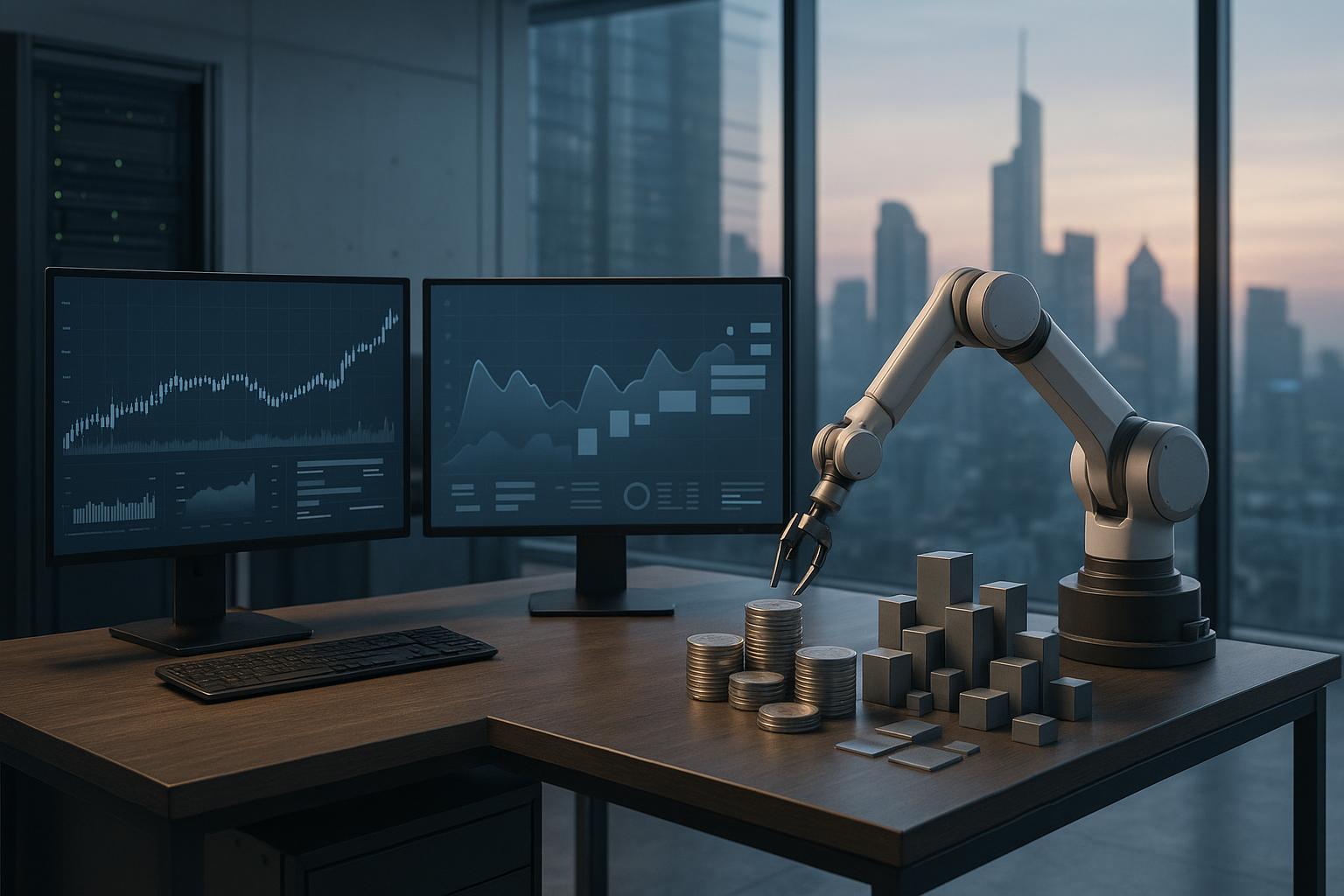
Introduction: The Transformative Potential of AI and Automation in Investment
The rapid advancement of artificial intelligence (AI) and automation technologies has transitioned from a speculative domain into a crucial driver of global economic growth and innovation. For investors, understanding these technologies is more than an academic exercise—it is essential to unlocking potential value. Companies such as LG and NVIDIA are breaking new ground in physical AI, which integrates AI with tangible, real-world machines and infrastructure, promising to revolutionize industries from manufacturing to mobility. Simultaneously, advances in cybersecurity, such as enhanced account protections, are becoming intrinsic to safeguarding AI-driven operations and preserving investor confidence in digital ecosystems. This multifaceted evolution prompts investors to re-examine their portfolios with a nuanced lens focused on AI’s operational complexities and strategic imperatives.
The Emergence of Physical AI: Bridging Virtual Intelligence with Tangible Impact
Physical AI represents a pivotal shift from traditional, software-based AI applications to integrated systems where intelligence governs physical entities like robots, data centers, and smart vehicles. The recent strategic dialogues between LG and NVIDIA exemplify this evolution, underscoring the importance of AI-enabled automation in optimizing data center performance and advancing mobility solutions. For investors, this signals a growing industry segment where machine learning algorithms are inseparable from hardware innovation. Understanding the symbiotic relationship between AI software and physical systems will be critical in identifying companies that eschew siloed approaches in favor of holistic AI ecosystems, offering scalable and sustainable competitive advantages.
Unlocking Value Through AI-Driven Automation in Mobility and Infrastructure
AI’s integration into mobility and infrastructure is reshaping traditional economic models. The convergence of AI with robotics, sensor technology, and real-time data analytics enables automated systems that can adapt dynamically to environmental changes. For example, in sectors like urban transportation and logistics, AI-powered physical systems can dramatically enhance efficiency and reduce operational costs. Investors who focus on these areas should prioritize firms that demonstrate not only technical prowess but also robust deployment strategies for physical AI. By doing so, they can capitalize on the shift towards autonomous, data-centric infrastructures that promise to redefine the transportation and manufacturing paradigms.
Security as a Foundational Pillar for AI Advancement
The expansion of AI and automation heightens vulnerabilities to cyber threats, necessitating sophisticated security measures. Technologies such as the recently introduced advanced account security protocols—which include phishing-resistant authentication and strengthened recovery processes—illuminate the proactive steps required to protect sensitive data and system integrity. Investors need to be cognizant that the robustness of cybersecurity frameworks is a critical risk management factor, especially for companies heavily reliant on AI for core operations. Firms that integrate advanced security measures not only safeguard their assets but also build trust with stakeholders, which can translate into enhanced shareholder value and resilience in volatile markets.
Strategic Insights: Evaluating AI Investments with a Long-Term Perspective
Investing in AI and automation demands a comprehensive analysis beyond headline technological breakthroughs. Investors should assess the strategic capacity of companies to integrate AI into physical workflows, the scalability of their solutions, and their commitment to security. Moreover, understanding the nuances of collaboration—such as the LG-NVIDIA alliance—can reveal which entities are building ecosystems that foster innovation and practical application. Such partnerships often herald accelerated product development cycles and may unlock pathways to diversified revenue streams. Long-term positioning should also consider regulatory landscapes, ethical AI use, and supply chain dependencies intertwined with physical AI deployments.
Real-World Implications: From Industrial Efficiency to Economies of Scale
The tangible benefits of physical AI extend well beyond technological novelty; they manifest in operational efficiency improvements and new business models. For instance, data centers driven by AI can optimize energy consumption and enhance computational throughput, thereby reducing costs and environmental impact—an increasingly important investment theme. Similarly, AI-enabled mobility solutions can transform ride-sharing, logistics, and personal transportation by reducing accidents and improving service reliability. These real-world effects contribute to creating positive feedback loops that reinforce investor confidence and attract further capital infusion into AI-driven enterprises.
Conclusion: Positioning for Success in the AI Era
AI and automation are not fleeting trends but foundational technologies reshaping industries and investment landscapes alike. Investors who develop a deep understanding of physical AI and the cybersecurity frameworks that underpin it will be best positioned to discern genuine innovation from hype. The collaboration between powerhouses like LG and NVIDIA highlights the importance of integrated AI ecosystems, emphasizing that value creation lies at the intersection of software intelligence and physical application. By adopting a thorough, strategic approach to AI investments—one that includes evaluating technological synergy, security robustness, and real-world impact—investors can confidently navigate the complexities of this transformative era, unlocking both sustained growth and competitive advantage.