Introduction: The Convergence of AI, Automation, and Investment Opportunities
In an era where artificial intelligence (AI) and automation are reshaping the global economic fabric, investment strategies must evolve to capture the new frontiers of growth. The rapid advancement of semiconductor technology, combined with groundbreaking efforts in quantum computing, signals that we are on the cusp of a profound technological supercycle. For investors, this means a landscape filled with both unprecedented potential and complex risks. The semiconductor industry, historically volatile and cyclical, is now being reconsidered through the lens of sustained demand driven by AI applications. Moreover, automation is not only transforming business processes but elevating the necessity for advanced computing capabilities across sectors. This article explores these interconnected themes, offering investors actionable insights into how to approach this dynamic environment and strategically position their portfolios.
The Semiconductor Industry: From Cyclicality to a Supercycle
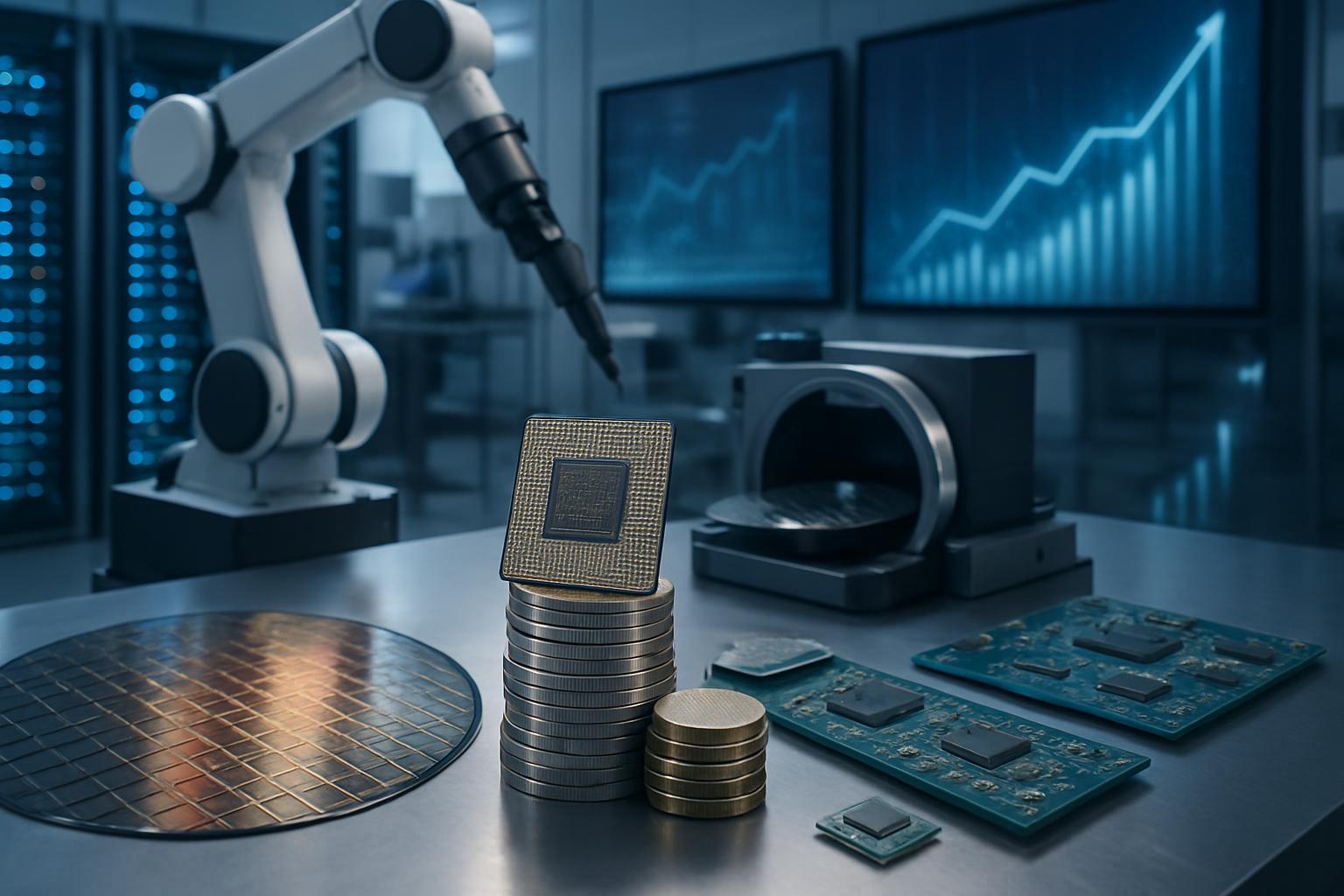
The semiconductor sector has traditionally been viewed as cyclical, subject to boom and bust cycles tied to global supply and demand anomalies. However, recent analysis suggests the industry may be entering a supercycle phase—a prolonged period of elevated demand driven by rapid technological adoption. AI workloads, cloud computing expansion, and the proliferation of edge devices fuel this surge. Unlike previous cycles characterized by reactive inventory adjustments and short-term spikes, this new phase is grounded in sustained industrial transformation. For investors, recognizing the semiconductor industry less as a commodity and more as a strategic enabler in AI-driven innovation opens avenues for long-term growth investments. Patience and selective allocation towards companies leading chip design, wafer manufacturing, and specialized AI accelerators may yield significant returns as the supercycle matures.
Quantum Computing: The Next Frontier in Automation and AI
While classical semiconductors underpin current AI capabilities, quantum computing promises to revolutionize computing paradigms by handling complex problems unattainable for traditional systems. IBM’s commitment to investing $10 billion by 2029 for large-scale quantum computer development showcases the accelerating momentum in this domain. For investors, quantum technology remains nascent but strategically vital. It heralds a future where automation and AI could achieve breakthrough efficiencies in logistics, drug discovery, and cryptography. Deep-pocketed corporations focusing on quantum hardware and software ecosystems will likely become critical players in defining the next wave of automation-enabled productivity. Hence, investors should monitor developments in quantum computing companies and related startups, considering long-term stakes even if near-term returns are modest.
Real-World Implications: Automation’s Expanding Footprint Across Industries
Automation permeates numerous industries beyond traditional manufacturing, influencing retail, entertainment, energy, and logistics sectors. For example, despite fewer shoppers overall, companies like Dollar Tree report increased consumer spending, aided by automation in supply chain management and inventory optimization. Leisure and entertainment are also shifting, with significant consolidation moves such as the Fertitta-owned firm’s $18 billion acquisition of Caesars Entertainment reflecting strategic bets on streamlined operations supported by automated technologies and data analytics. Investors must understand that AI-powered automation is driving efficiency gains, cost reductions, and enhanced consumer experiences—forces that underpin corporate profitability and valuation multiples. This broad applicability makes automation a core theme worth emphasizing in diversified investment portfolios.
Macro Risks and Market Sensitivities in an AI-Driven World
While AI and automation hold transformative promise, geopolitical factors and commodity price volatility continue to impact market dynamics. For instance, oil price fluctuations influenced by conflicts near strategic chokepoints like the Strait of Hormuz create ripple effects on energy-dependent sectors and broader market sentiment. Investors should be mindful of how these externalities interplay with technology trends. Investing in AI and automation-oriented assets does not immunize portfolios from macroeconomic shocks. Instead, it underscores the importance of balanced risk management strategies, combining exposure to technological growth with hedges against geopolitical and commodity-driven uncertainties. Understanding this duality enhances the resilience of investment approaches.
Investor Strategies: Navigating AI and Automation Opportunities
For investors seeking to capitalize on AI and automation trends, several practical strategies emerge. First, prioritize companies with robust R&D investment and strategic vision in semiconductor innovation and AI integration. Second, consider diversified exposure across hardware, software, and emerging quantum technologies to balance risk and reward. Third, monitor policy developments and infrastructure investments supporting AI ecosystems, as government incentives can accelerate sector growth. Fourth, remain vigilant about valuation levels, especially in a potential semiconductor supercycle where exuberance can lead to bubbles. Finally, incorporate macro risk assessment to ensure portfolio agility against geopolitical and economic fluctuations that inevitably influence technology markets. These proactive insights can empower investors to outpace average market returns while mitigating downside risks.
Conclusion: Embracing the AI-Automation Era with Informed Precision
As AI and automation continue to permeate all facets of industry, investing with a deep understanding of semiconductor technologies, quantum advancements, and broader market dynamics becomes essential. The potential semiconductor supercycle, alongside the dawn of quantum computing, defines a new era where technological innovation drives sustained economic transformation. Investors who adopt a forward-looking lens and integrate strategic risk management will be best positioned to seize the opportunities presented by this paradigm shift. The intersection of AI and automation is not merely a trend—it is a fundamental evolution shaping the future of investing, requiring focus, discipline, and insight for long-term success.