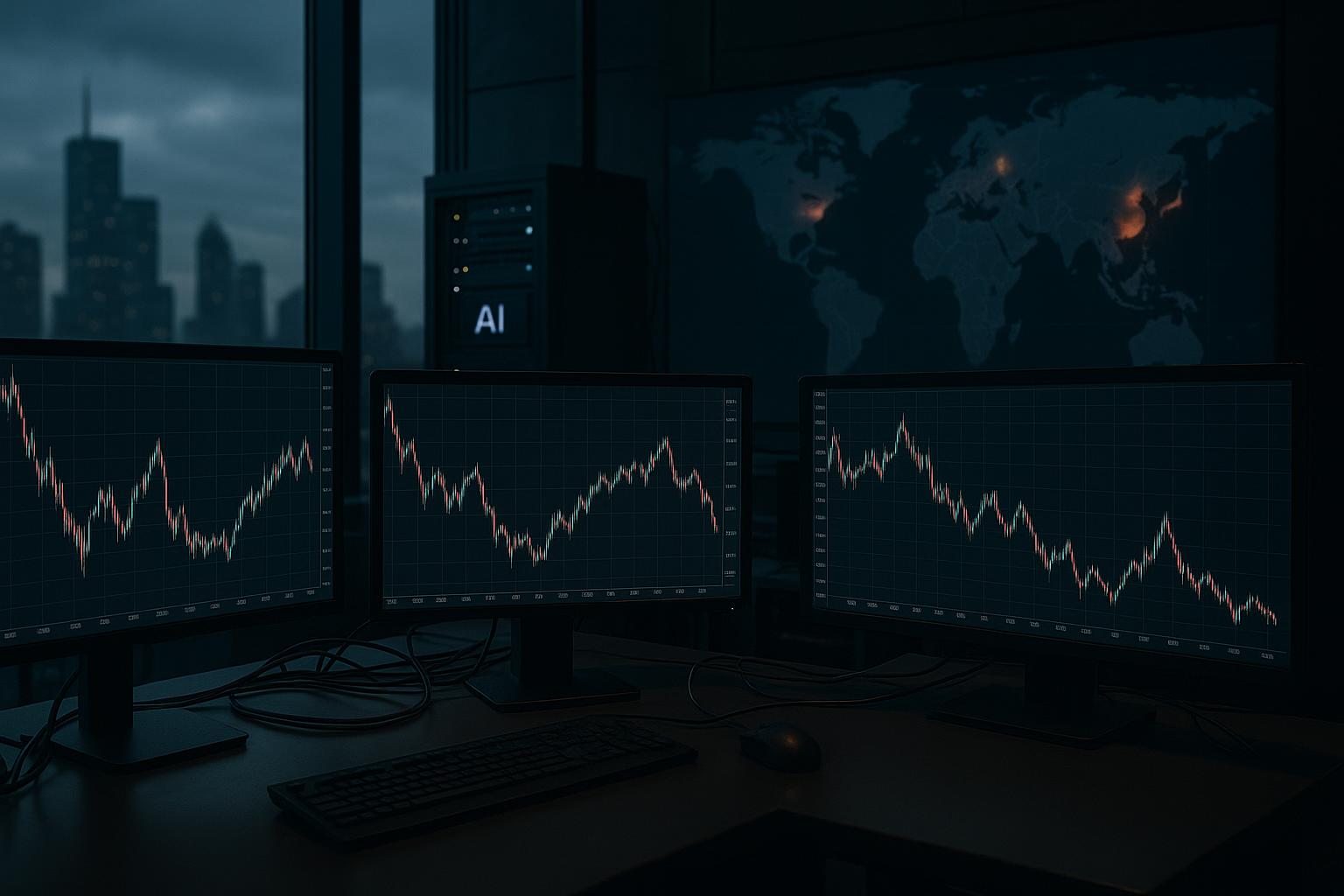
Q1 Market Volatility Reflects AI and Geopolitical Pressures
The first quarter of 2026 proved turbulent for investors, marked by significant stock-market volatility. While a late rally helped boost major indexes, the S&P 500 still logged its worst quarterly performance since 2022. Key factors behind this instability include growing concerns over artificial intelligence developments, geopolitical tensions involving Iran, and lingering uncertainties in private credit markets.
Investors should note that these forces do not operate in isolation. The AI ‘scare trade’ — where fears about rapid technology disruption cause defensive selling — has particularly influenced technology sector valuations, contributing to considerable fluctuations.
Microsoft’s Plunge Highlights AI’s Double-Edged Sword
Microsoft, a giant in both cloud computing and AI, closed the quarter with its worst Wall Street performance since the 2008 financial crisis. The company’s stock value dropped sharply, reflecting investor skepticism about how AI will influence near-term earnings despite the firm’s strategic bets.
However, Microsoft continues to pursue partnerships that could stabilize future growth. For instance, it recently signed an exclusive power supply deal with Chevron and Engine No. 1, signaling a focus on infrastructure support and sustainability — areas that may indirectly buttress its AI ambitions.
Nike’s Turnaround Challenged by Market and Geopolitics
Retail giant Nike posted quarterly sales slightly above expectations, yet investor confidence remains fragile. The company forecasted weaker sales ahead, citing China’s economic slowdown and ongoing operational challenges. This indicates that even non-tech sectors are vulnerable to global economic shifts exacerbated by geopolitical strains.
For investors, Nike’s situation underscores a crucial point: successful turnaround efforts require navigating complex market and geopolitical headwinds, including those indirectly related to AI-driven market sentiment.
Practical Takeaways for AI-Focused Investors
Against this backdrop, here are key strategic insights:
- Expect volatility to persist: AI-driven excitement and uncertainty will continue to affect tech stocks. Timing market entry and exit requires careful signal analysis rather than reactionary moves.
- Look for strategic partnerships: Companies like Microsoft enhancing sustainability and infrastructure signal long-term AI integration beyond hype cycles.
- Diversify across sectors: Tech disruptions ripple across retail and energy sectors; a broad portfolio can mitigate isolated risks.
- Watch geopolitical developments: Events like U.S.-Iran dynamics can indirectly impact investor confidence and market liquidity, influencing automated trading triggers.
In summary, the evolving AI landscape combined with geopolitical and economic complexities calls for disciplined, informed investing as markets grapple with uncertainty.