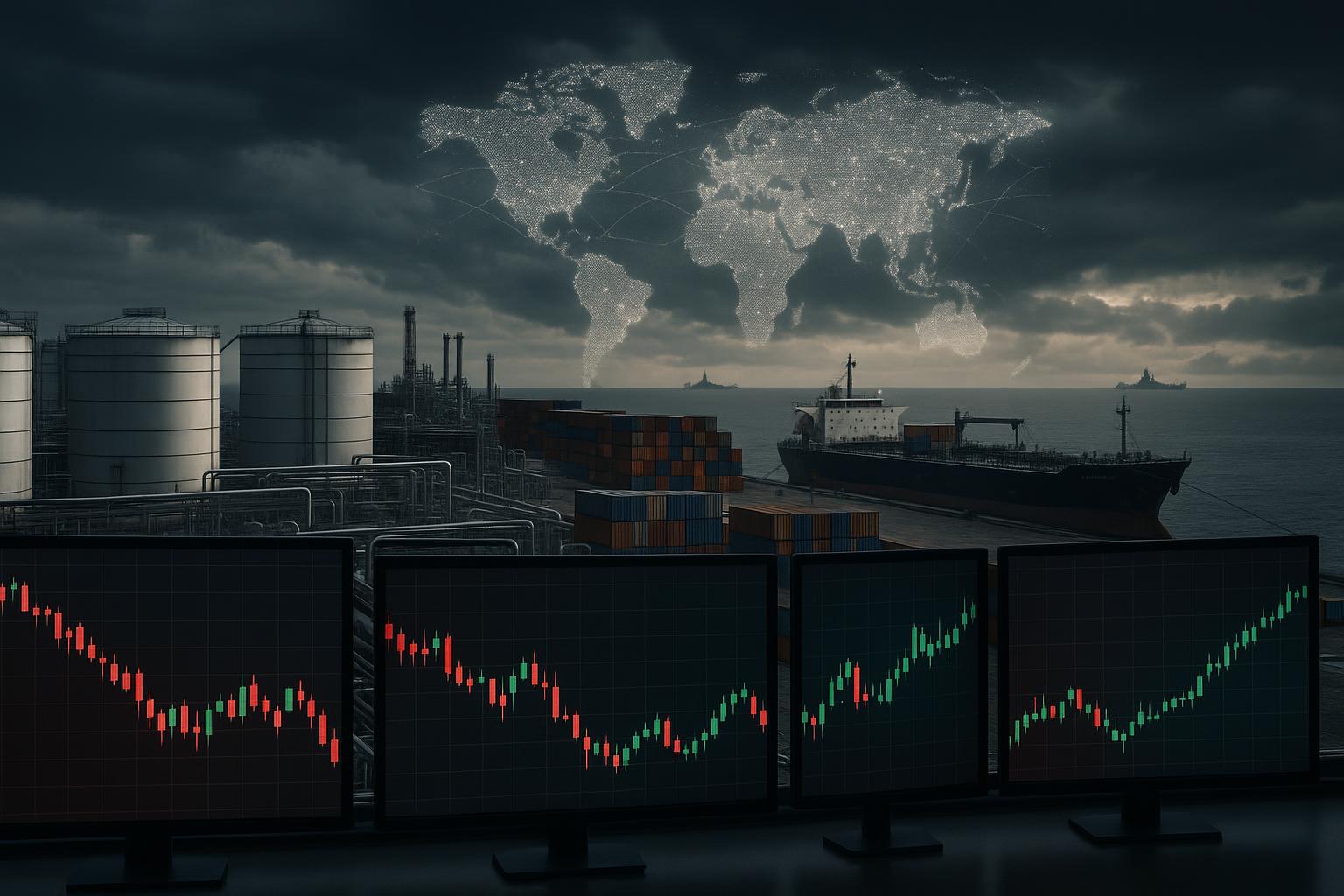
Geopolitical Uncertainty and Market Movements
The ongoing conflict surrounding the Strait of Hormuz has injected fresh volatility into global markets. With Iran and Oman establishing protocols to ‘monitor’ sea traffic, the region’s oil supply route experiences heightened scrutiny. This intensifies risk factors for energy markets, compounding investor uncertainty.
Interestingly, despite escalating tensions, markets initially priced in a rapid resolution, demonstrating Wall Street’s characteristic speed in adjusting expectations—even before official statements. However, as conflicts persist, algorithmic trading and AI-driven models that incorporate geopolitical risks in real time become essential for investors aiming to stay ahead.
Economic Headwinds and the Role of Automation
Economists now forecast weaker U.S. growth alongside rising inflation, marking a stark shift in outlook from just weeks ago. This calls for increased vigilance in portfolio management.
Incorporating AI-based economic indicators and sentiment analysis tools can help investors better anticipate shifts in macroeconomic trends. Automation streamlines data assimilation from disparate sources, allowing a nimble response to deteriorating economic signals.
Energy Stocks Emerge as AI-Recommended Defensive Plays
Facing broad investor sell-offs, notably hedge funds unloading global equities at the fastest rate in over a decade, the energy sector has gained renewed focus. UBS and other data-driven analysts highlight top U.S. gas stocks as potential havens amid turbulence.
AI-powered investment platforms prioritize such sectors by analyzing supply chain dynamics, geopolitical risks, and market sentiment simultaneously, providing actionable insights tailored to current market stress.
Conclusion
In a landscape marked by geopolitical disruptions and worsening economic forecasts, leveraging AI and automation can significantly enhance investment decision-making. Real-time risk monitoring and data-driven sector rotation—toward energy stocks, for example—are practical strategies to navigate uncertainty. Investors who embrace these technological tools are better positioned to mitigate risks and capitalize on emerging opportunities.