Export Restrictions Target Key Semiconductor Equipment
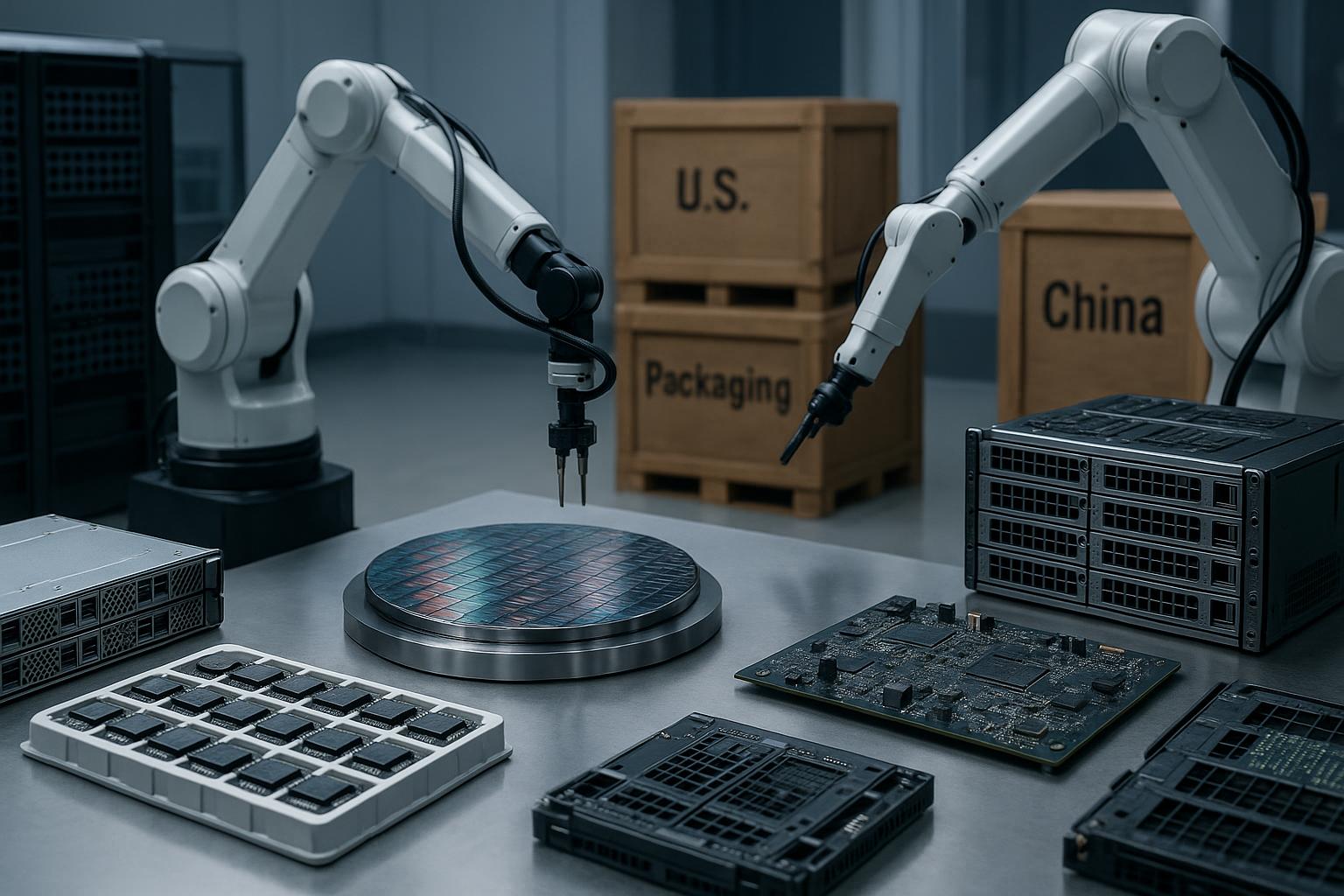
The US government is stepping up measures to curb China’s semiconductor ambitions by proposing export controls on leading lithography equipment manufacturers, including Dutch company ASML. These restrictions aim to limit China’s ability to produce cutting-edge chips critical for AI and other advanced technologies.
This move signals heightened geopolitical tension spilling into the tech supply chain, a core issue for investors eyeing semiconductor and AI sectors. Firms involved in high-end chipmaking equipment and materials stand to face shifting global demand dynamics as supply chains realign.
Investment Implications for AI and Semiconductor Sectors
For investors, this development underscores the growing importance of supply chain sovereignty in AI hardware. Companies that can circumvent Chinese markets or secure alternate supply lines may gain competitive advantage. Conversely, firms heavily exposed to China or reliant on restricted equipment could face headwinds.
Automation and AI companies depending on next-generation chips must now navigate potential scarcity or increased costs, which could impact innovation timelines and capital allocation strategies. Diversifying chip supply sources or partnering with non-restricted vendors might become a priority.
Strategic Takeaways for Tech Investors
Investors should monitor regulatory shifts alongside geopolitical risks to identify resilient players in semiconductor manufacturing and AI hardware. Key factors include supply chain flexibility, technological leadership, and market exposure.
Automation-driven industries and AI startups might also accelerate R&D investments to mitigate hardware access limitations by optimizing software or exploring alternative architectures.
In summary, the new US export controls reflect a broader trend where technology, politics, and investment decisions are increasingly intertwined, demanding agile and informed strategies from stakeholders.