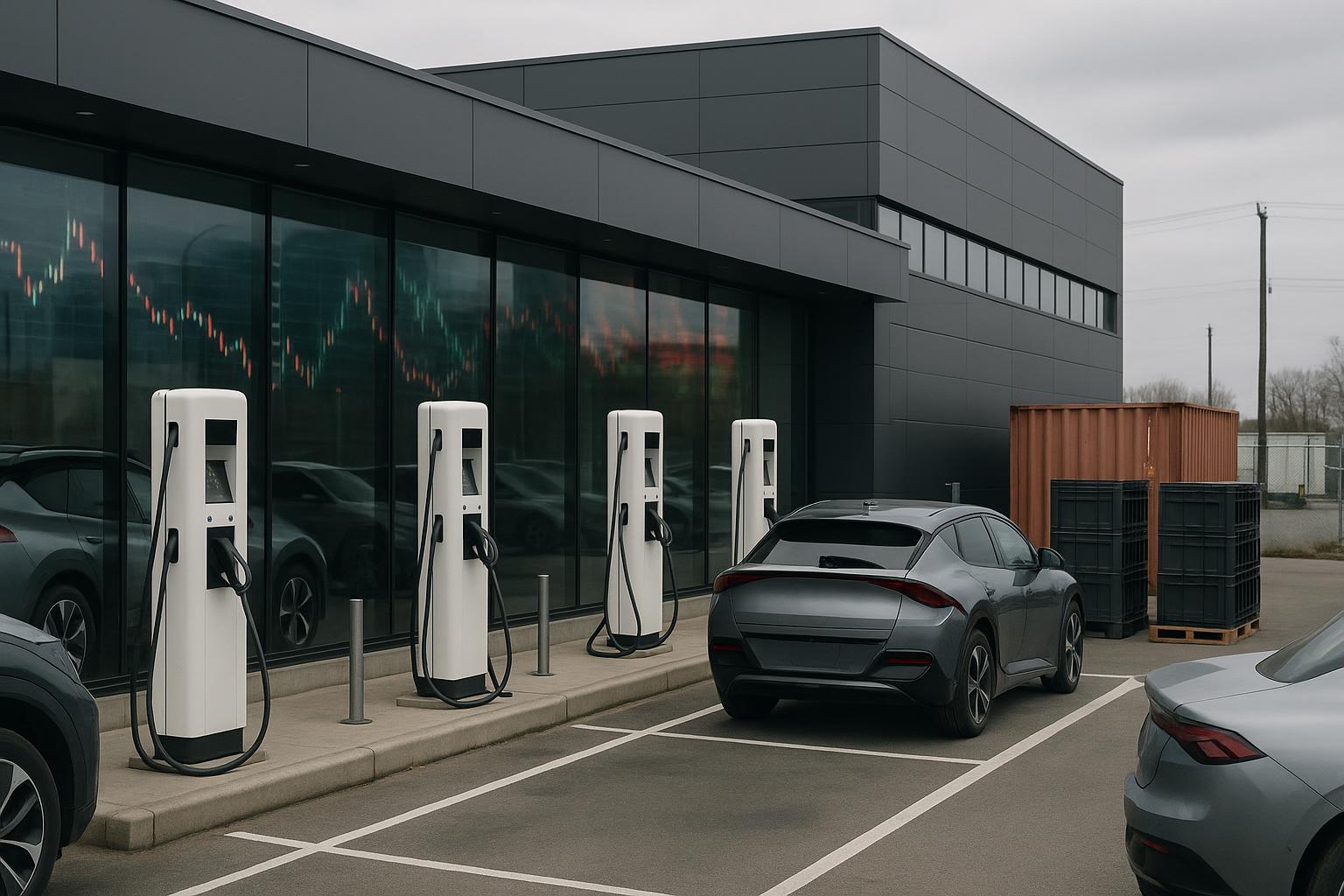
Kia Recalibrates Electric Vehicle Goals
In a notable pivot, Kia has trimmed its 2030 electric vehicle (EV) targets by more than 20%. This move signals a pragmatic response to evolving market conditions and supply chain challenges affecting the EV sector worldwide.
The adjustment underscores the realities automakers face in balancing ambitious sustainability goals with production feasibility and consumer readiness. Investors should view this as a strategic recalibration rather than a retreat from electrification.
Automation: The New Frontier in Manufacturing
Concurrently, Kia is pioneering the integration of humanoid robots at its U.S. manufacturing facility. This adoption of advanced robotics is designed to enhance operational efficiency, reduce labor costs, and minimize errors on the production line.
For investors and industry observers, Kia’s move exemplifies how automation will shape the future of manufacturing—not only lowering costs but also accelerating innovation cycles in an increasingly competitive landscape.
Global Industrial Sentiment: Balancing Innovation and Profitability
Industrial heavyweights beyond the automotive sector, such as Aluminum Corporation of China, are also reporting strong profitability and robust forecasts, highlighting a global trend toward consolidating gains amid uncertain geopolitical and economic dynamics.
These insights emphasize the value of investing in companies that adapt through innovation—both in product strategy and operational technology—to maintain resilience and profitability.
Ultimately, Kia’s revised EV ambitions paired with its automation initiatives illustrate a forward-looking approach: tempering growth expectations while harnessing technology to drive long-term value.