Geopolitical Risks Amplify Market Volatility
Recent geopolitical developments, including tensions surrounding the Strait of Hormuz, have injected notable uncertainty into global markets. While corporate leaders maintain cautious optimism over short-term oil price increases, the potential for supply disruptions places added stress on economic forecasts and investment strategies.
Investors face renewed challenges interpreting these signals amid fast-moving developments and potential policy shifts, such as key governmental confirmations affecting economic security frameworks.
AI as a Crucial Tool for Navigating Uncertainty
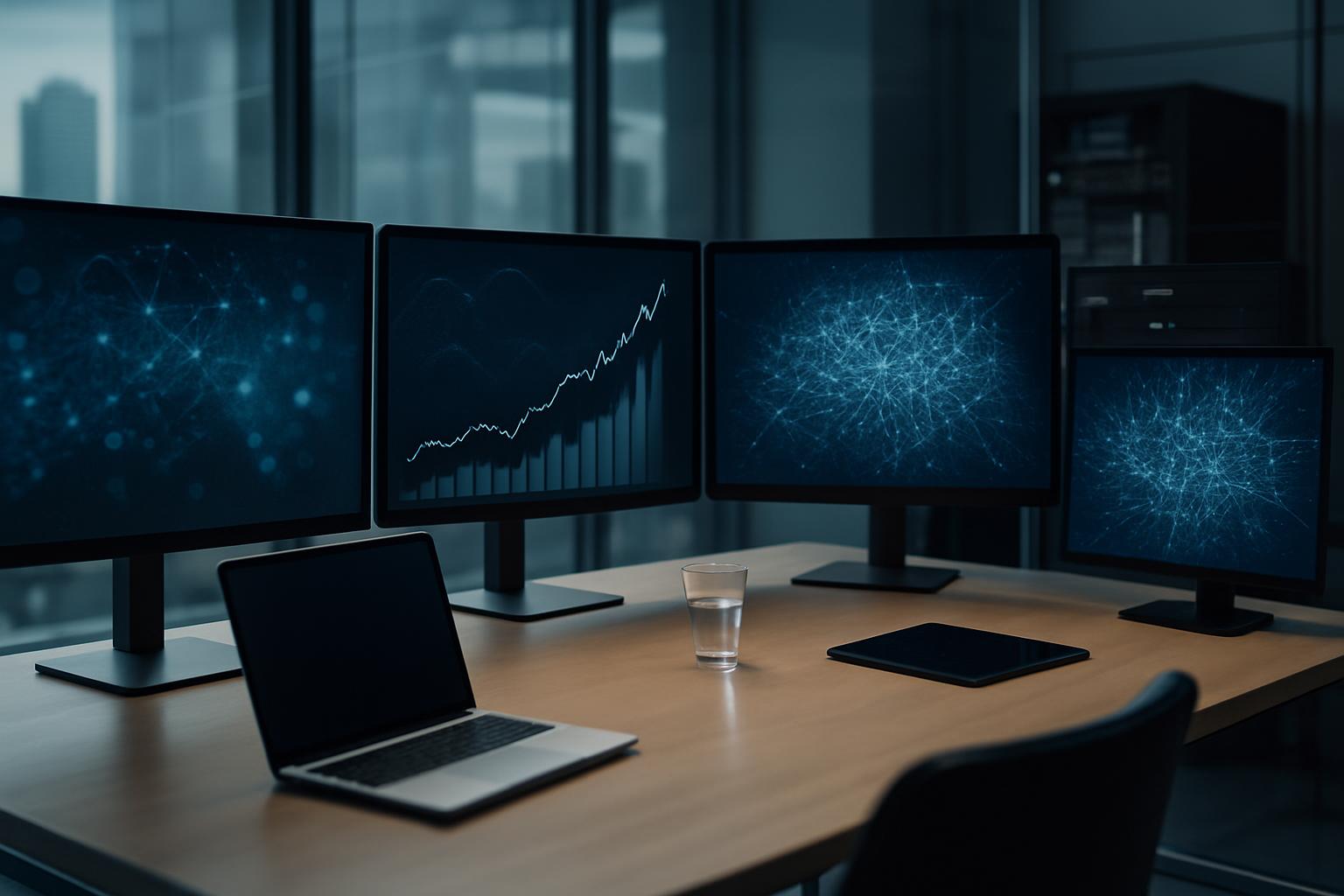
In this environment, AI-powered analytics and automation tools are proving vital for managing portfolio risk. Machine learning models analyze vast datasets to identify emerging trends faster than traditional methods, providing timely insights on energy markets and geopolitical risk factors.
Automation enables rapid portfolio adjustments, reducing lag between market signals and investor response. These capabilities help investors maintain agility, cutting through noise to focus on actionable indicators tied to global economic shifts.
Practical Takeaways for Investors
To effectively leverage AI in this context, investors should prioritize systems that integrate geopolitical risk metrics with market data streams. Monitoring critical chokepoints like the Strait of Hormuz through AI alerts can inform timely rebalancing or hedging decisions.
Additionally, staying abreast of political developments—such as regulatory appointments affecting homeland security and trade policies—is key. Automated news aggregation and sentiment analysis tools can highlight policy shifts that influence market sentiment and sector performance.
Incorporating these AI-driven insights helps investors build resilient portfolios positioned to weather near-term volatility triggered by geopolitical events.
Conclusion
The intersection of geopolitical tension and economic complexity underscores the value of AI and automation in modern investing. As uncertainties around oil supply and policy decisions persist, AI-enhanced tools offer the agility and precision needed to navigate risks and seize opportunities in a fast-evolving landscape.