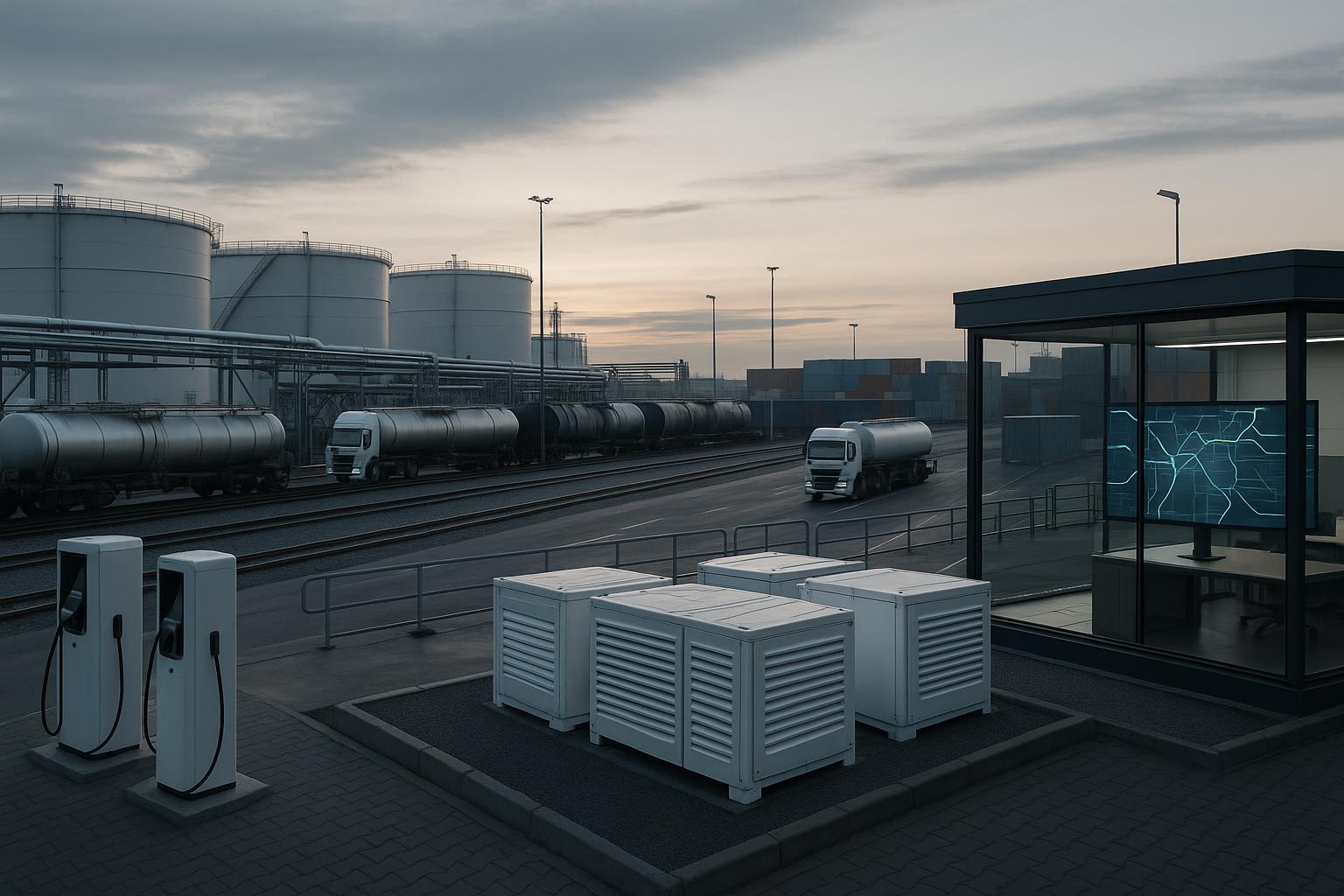
Global Fuel Shortages Spotlight Need for Smarter Supply Chain Management
The International Energy Agency’s warning that Europe could run out of jet fuel within six weeks underscores urgent vulnerabilities in traditional energy and logistics frameworks. For investors and businesses, this highlights a growing opportunity for AI-driven supply chain automation and predictive analytics to optimize inventory and distribution, particularly in volatile markets.
Companies leveraging real-time data integration can better anticipate shortages and respond dynamically, reducing operational risk. This crisis also amplifies demand for alternative energy sources and fuels, prompting innovation in automation technologies that support new energy infrastructure.
Regulatory Pressures Drive Transparency and Data Sharing in Tech
The European Commission’s push for Google to loosen its search-engine data monopoly signals a broader regulatory trend toward increasing transparency and competition through data democratization. AI investors and tech firms should note the strategic value in open data initiatives and interoperable platforms.
This shift may foster accelerated innovation by enabling smaller players to build AI-powered products on shared data pools, disrupting entrenched market dominance. Businesses that adapt by creating compliant, collaborative ecosystems will position themselves better for long-term growth.
Healthcare and Aerospace Sectors Embrace Automation for Growth
Healthcare companies like Abbott are seeing growth amid a surge in medical device adoption, a trend tied to enhanced automation and AI enabling improved diagnostics and treatment personalization. Meanwhile, El Al’s planned $1.5 billion investment in Boeing 787s signals airline sector confidence despite fuel worries, betting on newer, more fuel-efficient aircraft to leverage automation-driven operational efficiencies.
Investors should watch how AI integration in medical devices and aerospace automation continues to drive market consolidation and innovation, offering pathways to resilience against market instability.
Conclusion
Facing operational pressures from fuel shortages, regulatory shifts, and evolving consumer needs, industries are increasingly turning to AI and automation. These technologies offer critical tools for optimizing supply chains, fostering competitive data landscapes, and enhancing product innovation. Investors focused on AI-enabled automation stand to benefit from these cross-sector transformations that redefine efficiency and growth potential.