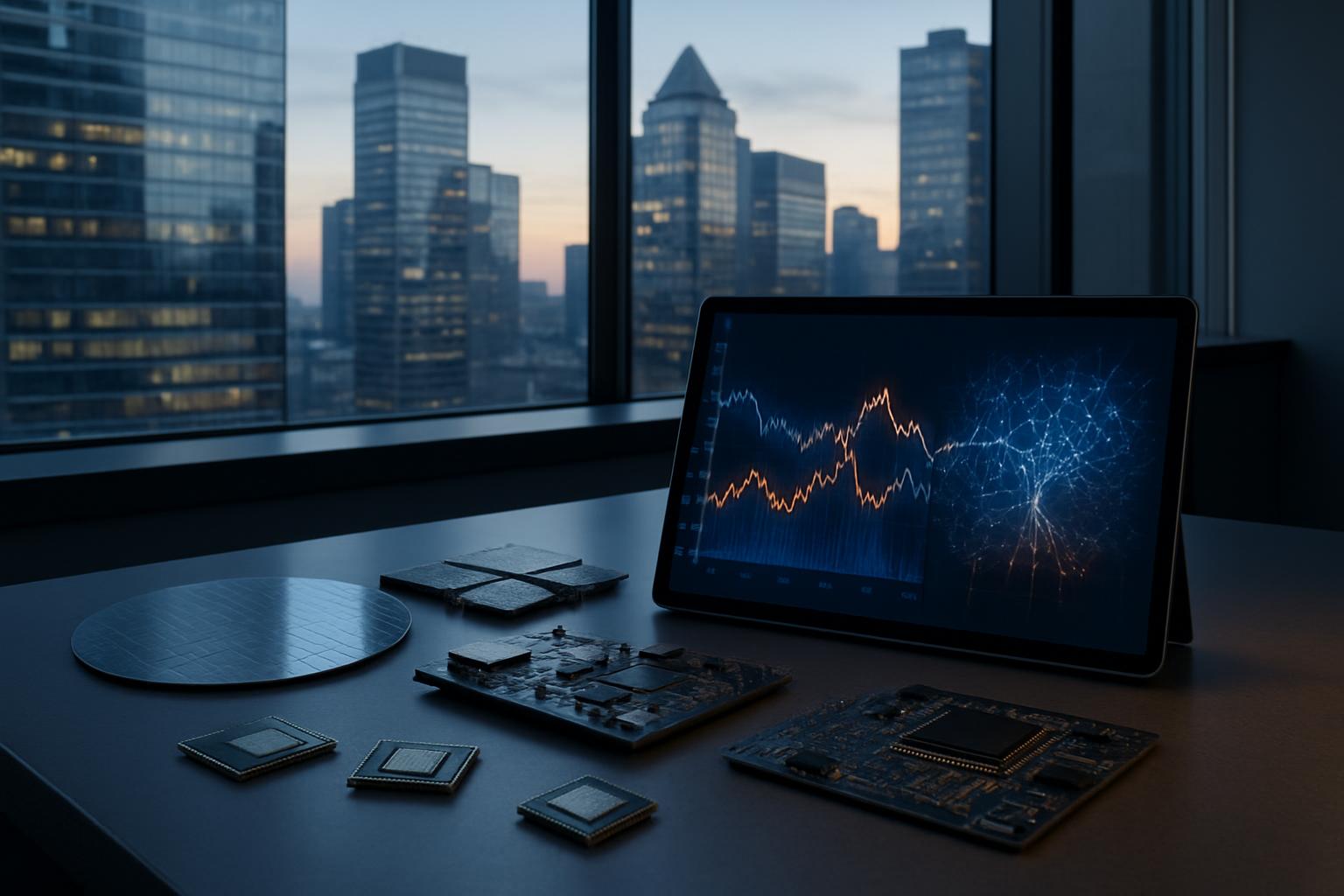
Introduction: The Semiconductor Industry at the Heart of AI Innovation
The exponential growth of artificial intelligence across sectors—from cloud computing and autonomous vehicles to personalized medicine—has placed semiconductors at the center of technological advancement. AI’s insatiable appetite for processing power demands specialized, cutting-edge chips that traditional chipmakers are racing to produce. Among manufacturers, only a few have the technological prowess to fabricate these advanced processors that enable AI systems to function at scale. This critical bottleneck not only shapes the future of technology but also presents a unique investment inflection point in the semiconductor industry.
Understanding who controls the AI chip supply chain, the manufacturing challenges involved, and the geopolitical dynamics influencing production capacity is crucial for any investor looking to benefit from AI’s long-term growth trajectory. This article offers a comprehensive analysis of the evolving semiconductor landscape, focusing on the major players, technological trends, and strategic investor takeaways that can inform better portfolio decisions.
The Core Players: Intel, Samsung, and Taiwan Semiconductor—Guardians of AI Chip Production
The intricate process of producing AI chips requires specialized fabrication technologies known as cutting-edge nodes, primarily available only to a handful of manufacturers worldwide. Intel, Samsung, and Taiwan Semiconductor Manufacturing Company (TSMC) currently stand out as the only firms with the capability to produce the most advanced chips, positioning them as strategic gatekeepers in the AI era.
Intel’s recent reported collaboration with Apple underscores a pivotal shift in the chipmaking industry. This move reflects Intel’s aggressive pivot towards becoming the primary fabricator for high-performance chips outside of traditional foundry roles. For investors, this signals Intel’s commitment to maintaining technological leadership and expanding its share in lucrative markets driven by AI computing demands.
Meanwhile, Samsung and TSMC continue to invest heavily in research and development to push the boundaries of nanometer-scale fabrication. Their advancements directly impact the efficiency, speed, and power consumption of AI processors, factors that resonate strongly in sectors like data centers and mobile computing.
Advanced Manufacturing: The Technological and Geopolitical Challenges
Manufacturing the latest AI chips is a capital-intensive endeavor fraught with complexity. The fabrication process involves extreme ultraviolet (EUV) lithography and intricate multi-layered circuit designs that require unparalleled precision. As these leading firms invest billions to establish state-of-the-art fabs, supply chain disruptions and geopolitical tensions also play significant roles in shaping production capabilities.
For example, Taiwan’s geopolitical situation has added a layer of uncertainty around TSMC’s operations, prompting companies and governments worldwide to diversify supply chains or incentivize domestic manufacturing. In this context, Intel’s strategic pivot and Samsung’s investments offer potentially stabilizing alternatives that could influence market dynamics profoundly.
Automation and AI Integration in Semiconductor Production
Automation itself is revolutionizing semiconductor manufacturing. Advanced robotics, machine learning-driven quality control, and automated defect detection systems are streamlining production lines, increasing yield rates, and reducing costs. Notably, companies leveraging AI to optimize manufacturing signal an important convergence: AI not only requires cutting-edge chips but also drives efficiency in their production.
For investors, this dual role of AI suggests a compounded growth opportunity—not just in designing and using AI chips but also in the tools and platforms that produce them. Companies innovating in automation within semiconductor fabs may present attractive investment prospects as they contribute to the scalability and affordability of AI hardware.
Investment Implications: Capitalizing on the AI Chip Boom
The scarcity of companies capable of producing the most advanced AI chips creates a natural moat, fostering high barriers to entry and sustained profitability. Investors should consider exposure to Intel, Samsung, and TSMC as core holdings in semiconductor portfolios, understanding that their ability to supply AI-grade chips directly correlates with the rapidly expanding AI market.
However, diversification within the ecosystem—such as investing in automation technology providers or software companies enabling chip design—can hedge risks tied to manufacturing concentration and geopolitical upheavals. Additionally, monitoring legislative and regulatory frameworks around technology and trade policies will be crucial, as these factors influence global supply chains and market access.
Real-World Case Studies: Apple’s Deal with Intel and Market Sentiment Shifts
The rumored chip supply agreement between Apple and Intel signifies more than just a supplier-customer relationship; it marks a transformative partnership in the AI chip market. Apple’s shift from partnering with firms like TSMC or designing its own chips towards Intel’s manufacturing capabilities reflects Intel’s potential resurgence and readiness to meet unprecedented demands.
This development has already triggered notable stock market reactions, reminiscent of early tech ecosystem shifts during previous semiconductor innovation cycles. For investors, such moves provide timely signals to reassess portfolio weightings concerning chipmakers and affiliated technology companies.
Actionable Takeaways for Investors in the AI and Semiconductor Sectors
Successful investing in this rapidly evolving landscape demands a nuanced approach. Prioritize companies demonstrating strong R&D pipelines in AI chip fabrication technology, as these firms will likely dominate market share. Furthermore, evaluate how semiconductor companies integrate automation and AI internally to drive operational excellence.
Keep a vigilant eye on geopolitical developments that could disrupt supply chains or alter competitive dynamics, adjusting investment strategies accordingly. Consider complementing direct semiconductor exposure with positions in AI-driven automation companies, software developers enhancing chip performance, and diversified tech ETFs focused on AI hardware innovation.
By maintaining a forward-looking perspective and aligning portfolio strategies with key technological trends and market shifts within AI chip manufacturing, investors can harness the enormous growth potential projected for the coming decade.
Conclusion: Future-Proofing Investments Amidst AI-Driven Semiconductor Evolution
The symbiotic relationship between AI and semiconductor manufacturing defines one of the most significant investment themes of our time. As AI applications proliferate, the demand for sophisticated, efficient chips intensifies, spotlighting manufacturers capable of delivering these solutions. Intel, Samsung, and TSMC’s leadership positions are unlikely to be contested soon, making them focal points for investors seeking durable growth.
Yet, the rapidly evolving technological, geopolitical, and operational landscape necessitates a sophisticated investment approach, blending direct semiconductor exposure with complementary technologies in automation and AI-driven manufacturing processes. In doing so, investors can navigate the complexities of this high-stakes industry and capitalize on AI’s transformative power to reshape economies and markets globally.