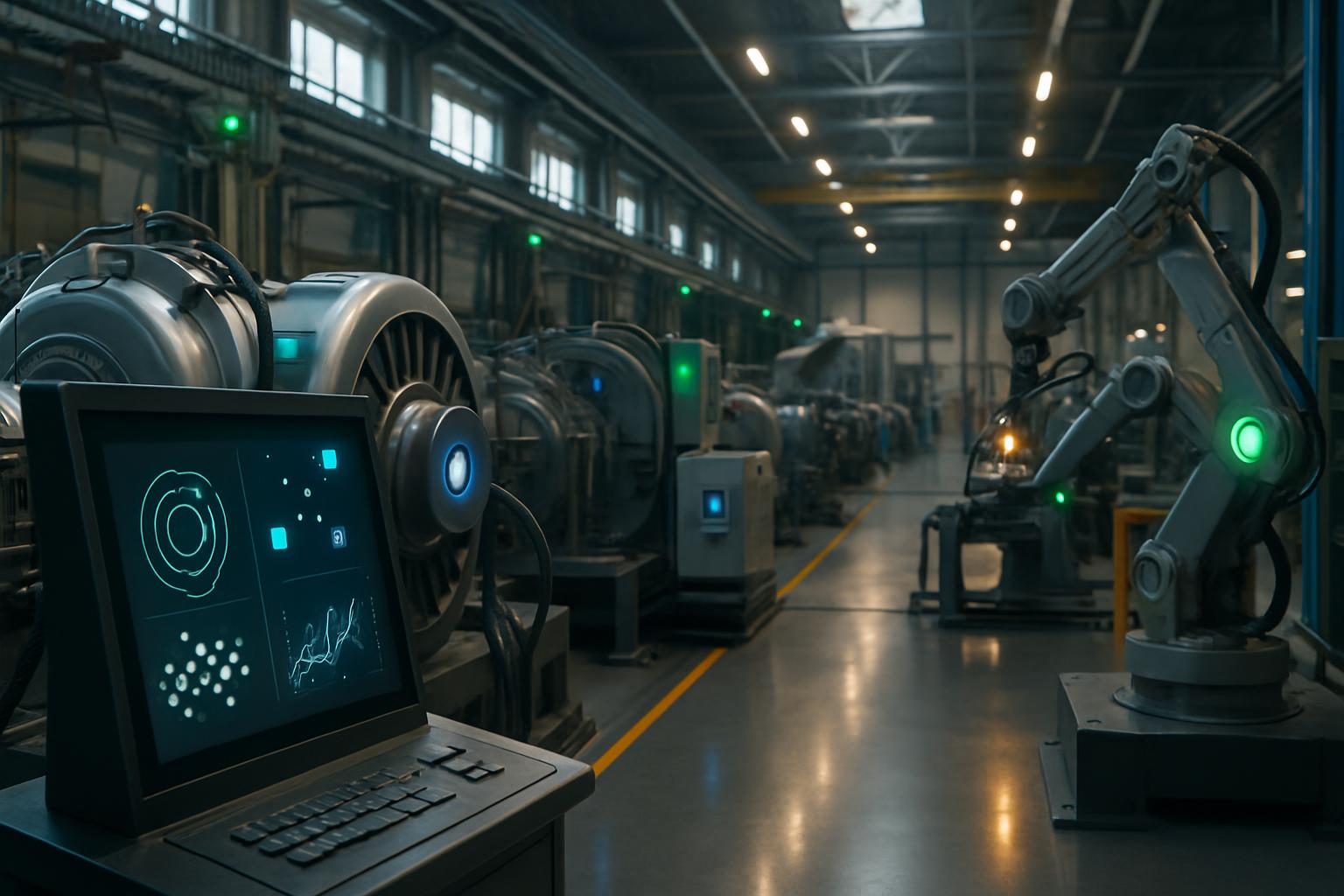
The Transformative Role of AI in Predictive Maintenance
Artificial intelligence is steadily transitioning from a supportive tool to a core strategic asset within industrial operations. Traditional maintenance approaches often rely heavily on scheduled check-ups or reactive responses to equipment failures, resulting in significant downtime and elevated operational costs. However, AI-driven predictive maintenance leverages vast amounts of sensor data and machine learning algorithms to foresee potential failures before they occur, fundamentally shifting the maintenance paradigm from reactive to proactive.
This evolution is not merely incremental; it fundamentally enhances asset longevity, operational efficiency, and safety. By interpreting complex data streams in real time, AI agents can identify subtle anomaly patterns that might escape human detection or simpler analytics. This leads to more accurate and timely interventions, reducing unscheduled downtime and costly repairs, which directly translates into higher profitability and competitive advantage for companies investing in these technologies.
From Anomaly Detection to Fully Automated Systems
While earlier iterations of predictive maintenance solutions focused primarily on anomaly detection—alerting operators when a deviation from normal operating conditions occurs—modern AI applications integrate autonomous decision-making capabilities. These AI agents can now not only identify impending issues but also prioritize them and trigger remedial actions without human intervention. Such advancement represents a leap from predictive insights to prescriptive and automated maintenance.
For investors, this shift signals companies that are moving beyond basic AI adoption toward integrated automation as prime candidates for long-term value creation. The ability to automate maintenance workflows reduces labor costs, minimizes human error, and accelerates responsiveness. It also opens opportunities for scalable deployment across multiple sites and equipment types, further amplifying return on investment.
Industrial Giants Leading the AI-Driven Automation Wave
Large multinational corporations, particularly in energy and manufacturing sectors, are spearheading the adoption of AI automation for predictive maintenance. For instance, a global energy giant recently expanded its use of AI agents to monitor tens of thousands of critical assets, aiming for seamless integration of predictive insights with autonomous maintenance actions. This highlights a strategic recognition that AI-powered automation is essential not only for operational excellence but also for managing the scale and complexity of modern industrial ecosystems.
Such companies often serve as bellwethers for emerging industrial trends and present compelling indirect investment opportunities. Supporting technology providers specializing in AI reliability platforms and predictive maintenance suites are positioned to benefit extensively as demand for these solutions grows among industrial leaders.
Technological Nuances and Investment Implications
The technical foundation for these AI-driven systems rests on robust machine learning models trained on extensive operational datasets, real-time streaming analytics, and integration with industrial control systems. The sophistication required imparts high entry barriers but also promising defensibility for leading solution providers through data moats and proprietary algorithms.
Investors should note the critical importance of ecosystem partnerships and scalability in these technologies. Companies able to demonstrate scalable deployments with measurable outcomes—such as reduced downtime percentages and cost savings—will attract greater market adoption. Moreover, interoperability with existing enterprise resource planning and asset management systems can amplify their value proposition, suggesting that thorough due diligence on technology fit and client base is essential before investing.
Real-World Impact: Operational and Financial Benefits
Deploying AI automation in predictive maintenance yields tangible operational advantages. Reduced equipment failures lower unplanned outages, improving throughput and maintaining product quality. Enhanced asset utilization extends machinery lifespan, deferring capital expenditures. Safety improves as potential hazards are identified earlier, reducing workplace incidents.
Financially, companies experience lower maintenance and repair costs and improved revenue consistency, which often translates into stronger balance sheets and resilience amidst market volatility. For investors, these operational improvements correlate with financial stability and growth potential, making firms leading in AI-driven maintenance automation attractive portfolio additions.
Actionable Investor Insights and Strategies
From an investor’s perspective, focusing on companies that integrate AI agents for predictive maintenance offers a compelling growth narrative anchored in tangible efficiency gains and cost reductions. When evaluating such companies, investors should assess the depth of their AI technology, scale of deployment, and evidence of sustained operational improvements.
Additionally, attention should be given to companies serving as enablers—those developing AI platforms and applications that facilitate automation across multiple industrial clients. These firms often enjoy scalable recurring revenue and long-term client relationships, underpinning durable growth.
Investors should also consider the broader macro trends accelerating AI adoption in maintenance: heightened demand for operational resilience, labor shortages prompting automation, and increasing regulatory emphasis on safety and environmental compliance. These drivers suggest sustained investment momentum beyond cyclical industry pressures.
Conclusion: Navigating the Future of Industrial Automation
The integration of AI-driven automation into predictive maintenance represents a significant inflection point for industrial sectors, combining advanced analytics with autonomous operational capabilities. For investors, this convergence offers a rich avenue to identify companies at the forefront of efficiency, innovation, and sustainable growth. Recognizing the layered benefits—from improved asset reliability to financial resilience—can inform smarter investment decisions and capitalize on the ongoing industrial transformation powered by AI.
Ultimately, the companies that successfully marry AI’s predictive prowess with automated action will not only reshape operational landscapes but also deliver outsized returns for forward-looking investors willing to engage deeply with this evolving technological frontier.