AI-Powered Transportation Hits New Milestones
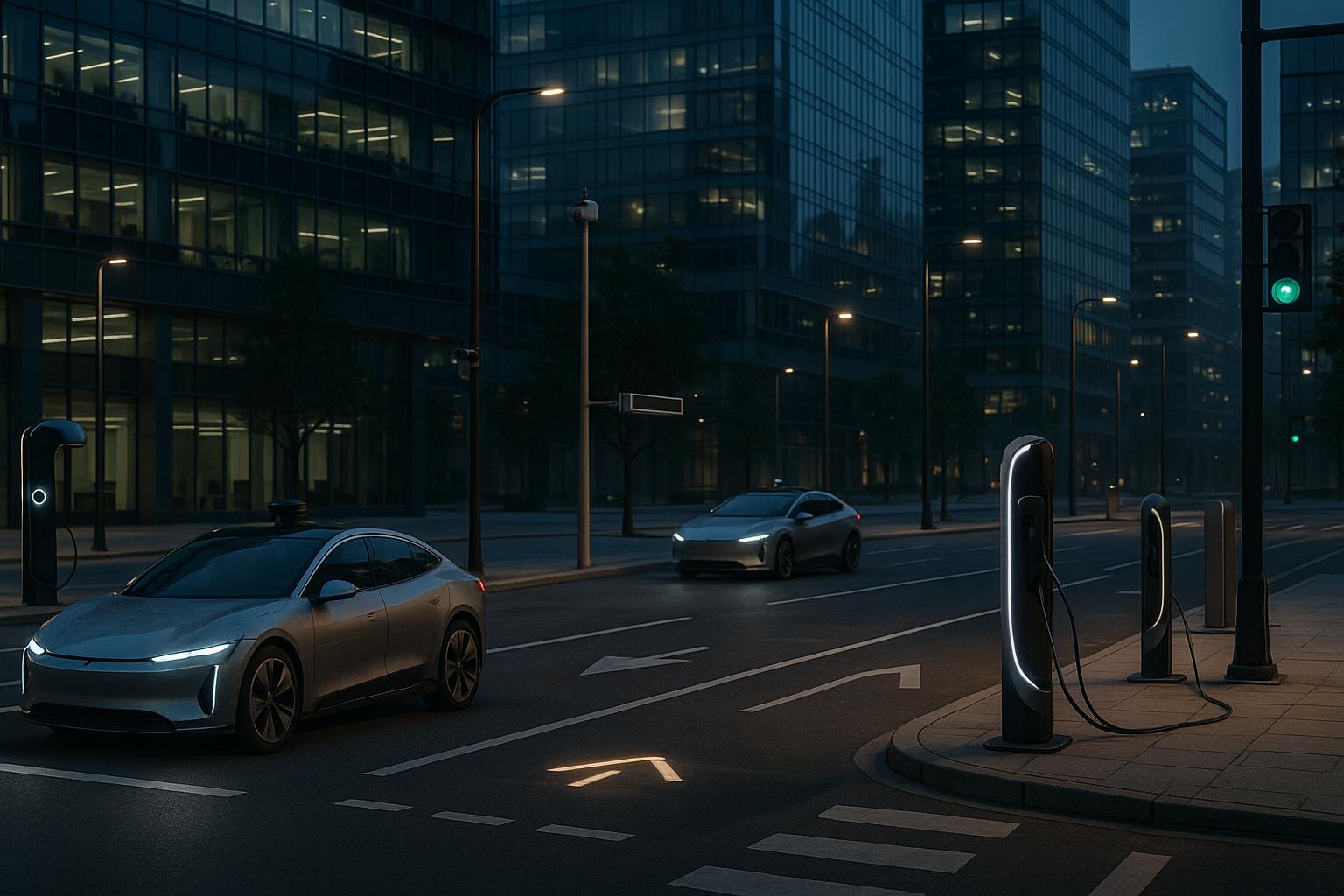
Tesla’s expansion of its robotaxi service to Dallas and Houston marks a significant development in autonomous vehicle deployment. By entering two major Texas cities known for their car-centric culture, Tesla signals growing confidence in AI-driven transportation services as an investable growth sector. This bold move showcases the potential for automated ride-hailing to disrupt traditional transit and automotive industries.
For investors, Tesla’s robotaxi rollout offers a practical example of automation transforming consumer experiences and monetization models. The technology not only reduces human labor costs but also opens scalability opportunities previously unattainable in ride-sharing platforms.
Urban Tax Changes Challenge Ultrawealthy and Impact Tech Adoption
Meanwhile, New York City’s proposal to tax luxury second homes with a $500 million surcharge represents a rising trend of municipalities targeting affluent residents to shore up finances. This shift in urban tax policy highlights challenges for wealth-driven markets supporting tech investment hubs.
Higher taxes on top-tier households could affect capital availability for tech ventures and influence where innovators choose to live and invest. As cities implement aggressive wealth taxes, the geographic landscape for AI innovation might shift toward lower-tax regions or more business-friendly environments.
Broad Socioeconomic Pressures Highlight the Value of Automation
Amid caregiving costs skyrocketing to financially devastating levels for many families, automation through AI presents a clear efficiency gain. Technologies that reduce reliance on expensive human labor, whether in transportation or healthcare, become critical to easing economic burdens.
For investors focused on AI, sectors addressing these socioeconomic strains—robotaxis reducing transport costs or automated caregiving solutions—demonstrate strong potential. The convergence of tax pressures and rising care expenses underscores why automation is more than technical novelty; it’s an essential tool for financial sustainability.
Conclusion
Tesla’s advancements in robotaxi services and urban fiscal policy trends together illuminate a complex landscape where AI innovation and investment respond to shifting economic realities. Investors should watch how automation expands in services traditionally constrained by labor costs, especially as tax environments evolve. Opportunities lie where AI alleviates real-world financial challenges, from ride-sharing to caregiving, defining the next phase of disruptive, scalable investment.